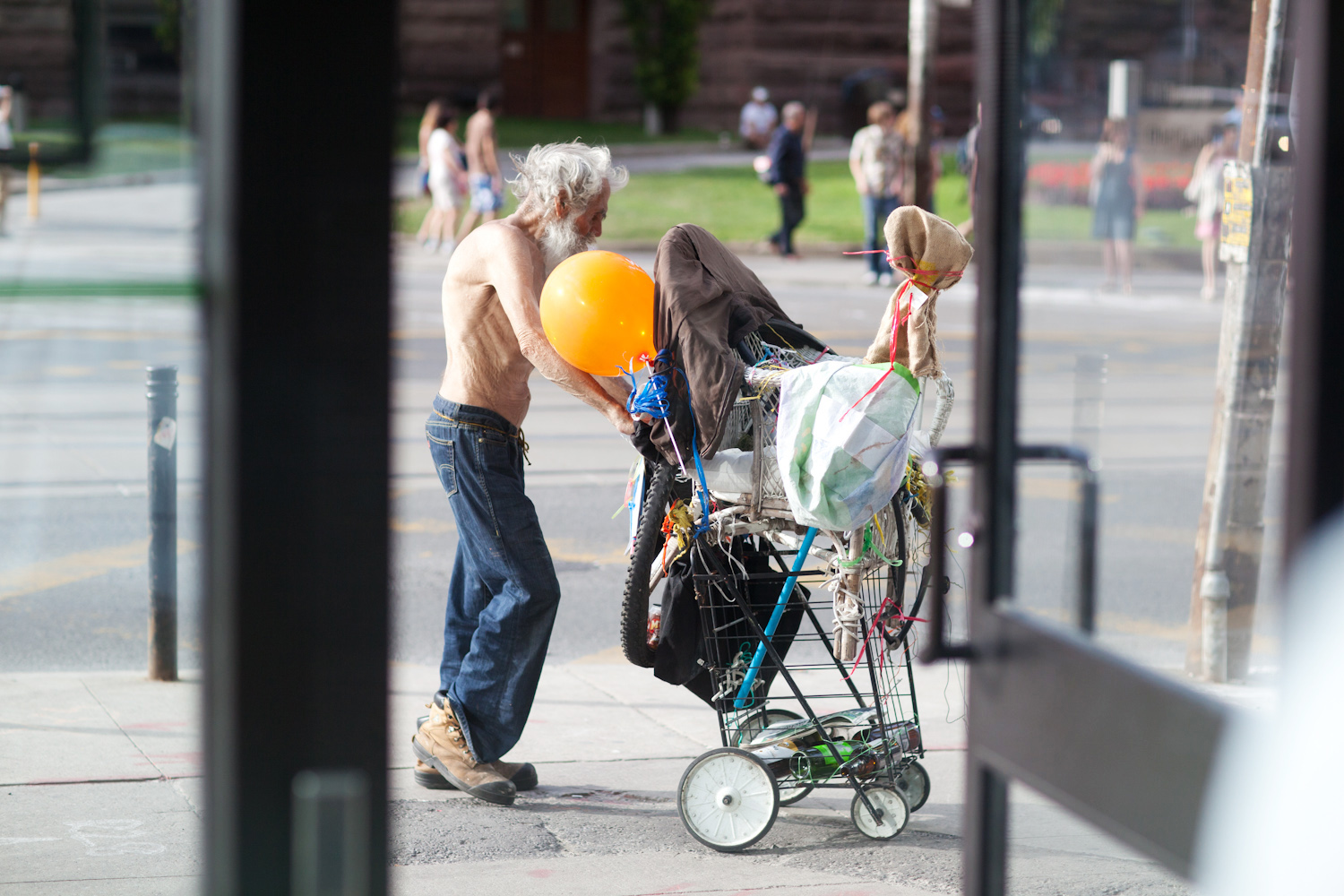
In the thumbnail: A Man in Toronto, Ontario who is suffering through poverty, showing that poverty can be prevalent in first world countries. Image is courtesy of WikiMedia.
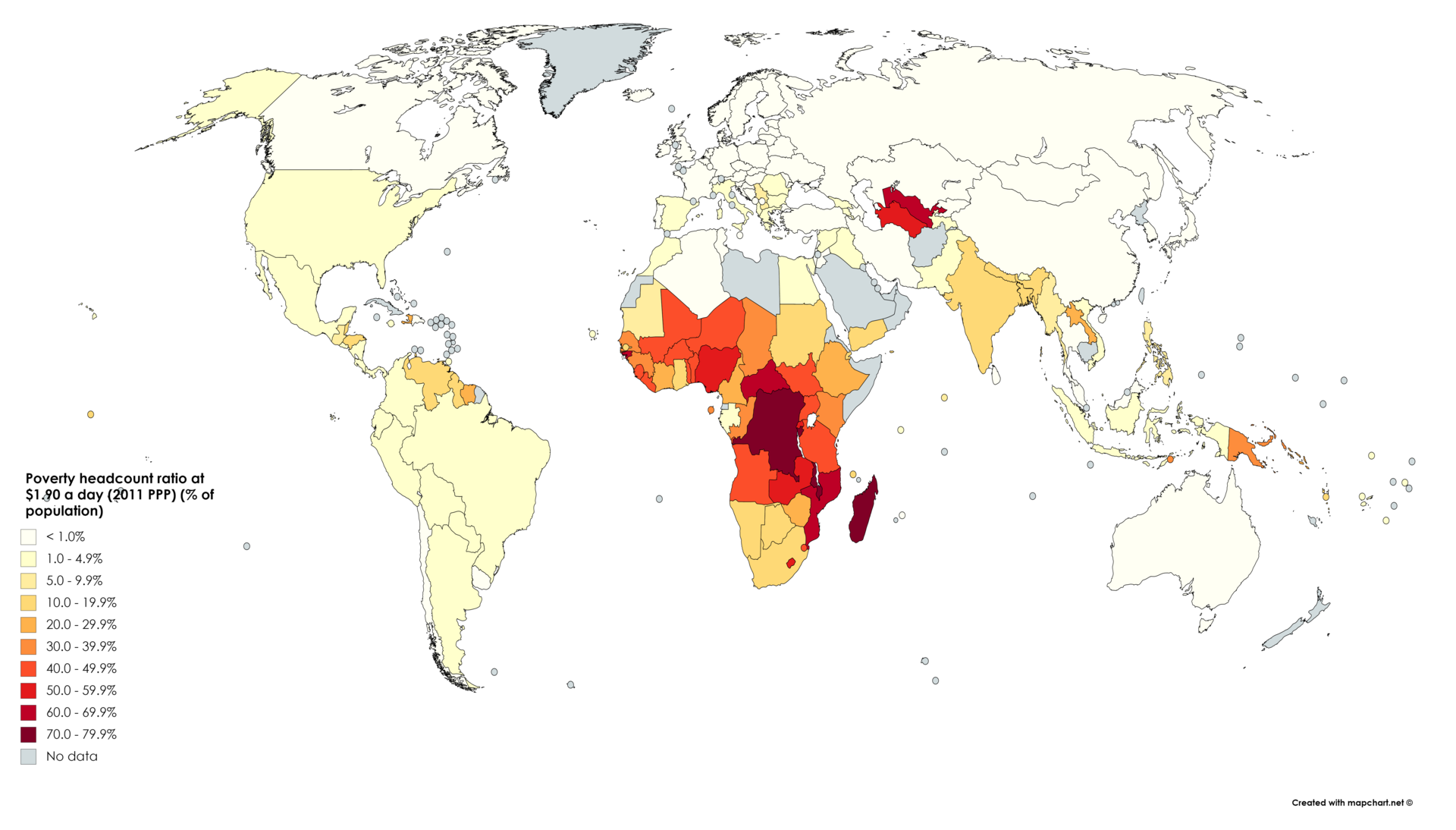
Extreme poverty effects 10% of all people on Earth. This doesn’t sound like much, but when you stop to consider what the global population is, those effected by extreme poverty would come out to over 700 million people. The sheer amount of people living in extreme poverty is just appalling, considering how much those of us in the west make on average, and the technology we have today.
According to the United Nations, extreme poverty is when one is surviving on less than US$1.90 each day. The issue is only exacerbated by the effects of global warming and COVID-19. To aid those in need, but more specifically to “[ensure] no one is left behind”, the United Nations make the Sustainable Development Goals (SDGs), of which the first goal is rather simple in nature; No Poverty.
The UN further explains that poverty is not just about the lack of income, but also the vast range of socioeconomic conditions at play in situations like these, such as “[T]he ability to access services and social protection measures and express opinions and choice”, “[T]he power to negotiate”, and things such as work opportunities and societal status.
There are some things that are generally connected to poverty, such as child labour, forced labour, and human trafficking, which I covered in the post about Human Trafficking. This is why the UN created the UN Guiding Principles on Business and Human Rights, which means that companies around the world are obligated to respect human rights and their labour rights in accordance with international standards, which means that companies must identify and avoid practices that would perpetuate poverty.
I’m sure this goes without saying, but this post is thoroughly connected with when we covered poverty in Unit 3.