In first world countries, we can often go to the hospital or a clinic if we get sick, free of charge. Another benefit we have of living in first world countries is the fact that not only is our healthcare free of charge (or at least affordable), but also of high quality. This is something we tend to take for granted, and we often do not know how much we may depend on it.
In stark contrast to our healthcare, Third World countries often do not only not have free healthcare, but many times will have no available healthcare where it is necessary. It is because of this difference that epidemics are not uncommon in poorer or less developed countries.
The United States Centre for Disease Control defines an epidemic as “the occurrence in a community or region of cases of an illness, specified health behavior, or other health-related events clearly in excess of normal expectancy; the community or region, and the time period in which cases occur, are specified precisely”. Using this definition, we can conclude that there are many epidemics that happen around the world. It is also important that we recognise that a pandemic and an epidemic are not quite the same thing. The former is, at its core, a more widespread epidemic, while an epidemic is localised to one region or community.
As stated previously, Third World countries often do not have the resources to effectively combat epidemics the same way that first world countries do, although a lack of resources is seldom the only reason why epidemics are not effectively taken care of.
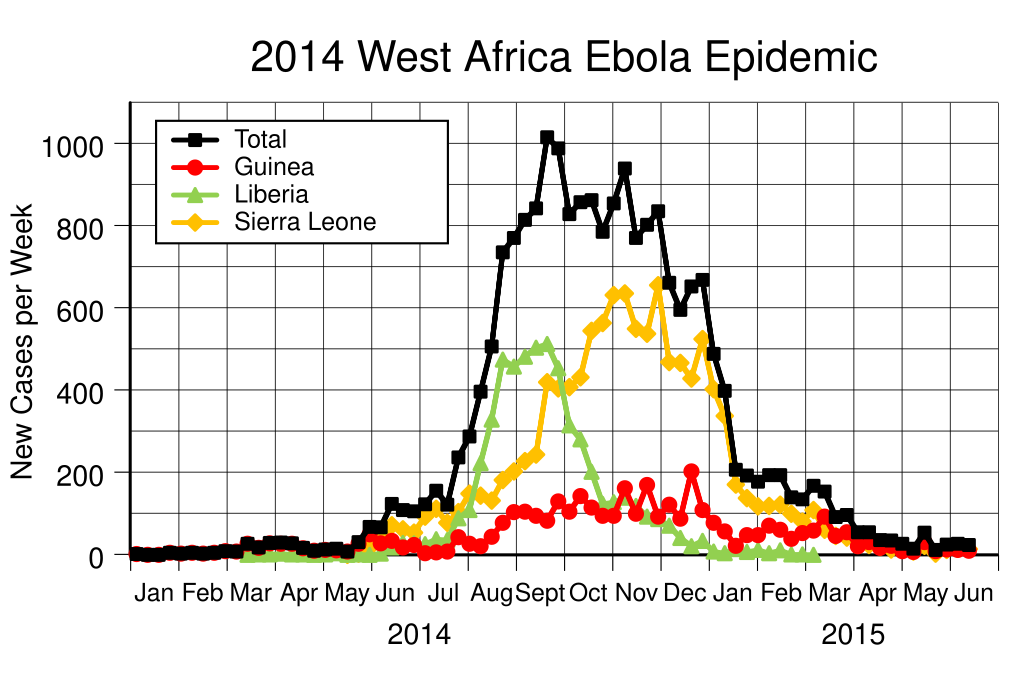
There is one epidemic that is of particular interest, that being the 2013–2016 Ebola Outbreak. Ebola has had numerous outbreaks and minor epidemics prior to 2013, although this one was especially terrible. One of the driving factors of its spread was the fact that healthcare was not readily available in the affected countries, such as Liberia, Sierra Leone, and Guinea.
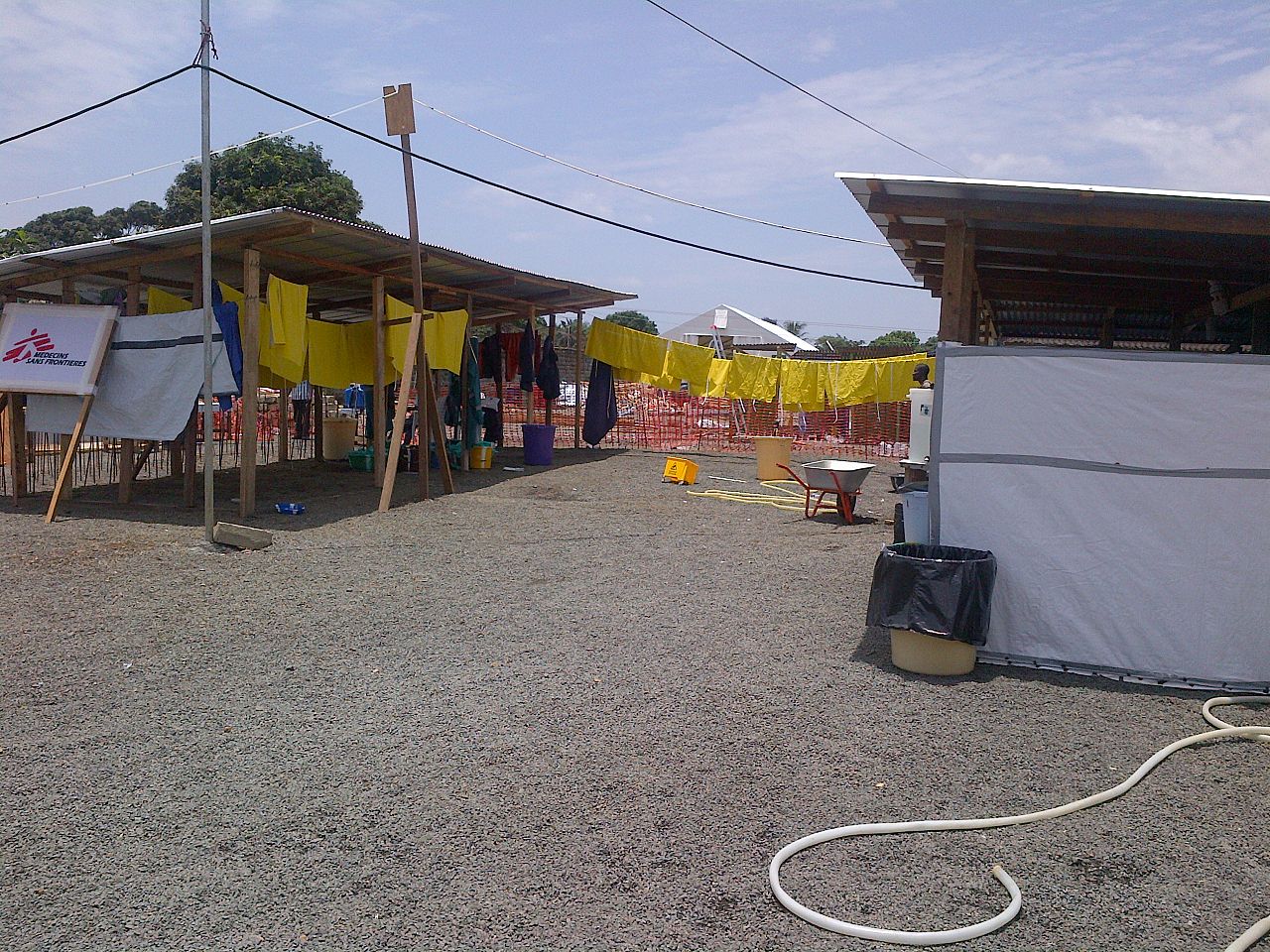
A specific example of this occurring would be during the beginning of the outbreak in Sierra Leone and Guinea. Initially, on the 25th of March 2013, the outbreak had begun and thus the WHO and several local health organisations collaborated to set up treatment centres in the epicentre of the outbreak. In May later that year, the treatment centres were closed as the outbreak was declared over, and the WHO left leaving only a skeleton crew behind to take care of the odd case. According to CTV in August 2013, case numbers surged. The reason attributed to the surging numbers of cases is that violence in the region prevented healthcare professionals from making it to these more remote villages, allowing the virus to spread almost uncontrolled.
Not only was the difficulty of travel a concern, but in February 2015, an attack against an ebola treat facility in the middle of Guinea was destroyed. One of the contributing factors to the violence against the WHO and other healthcare professionals is that the locals did not accept the ebola education that the doctors were trying to provide. Unfortunately, there are many more examples of violence towards professionals that caused the epidemic to continue for as long as it did.